What are Intaglios
Intaglios have captivated collectors, scholars, and travellers for centuries. Originally, the term referred to images engraved into precious and semi-precious gemstones, often depicting scenes from classical mythology, celebrated works of art, distinguished figures, and the architectural wonders of the ancient world. Admired for their extraordinary craftsmanship and intricate detail, they became enduring symbols of culture, learning, and refined taste.
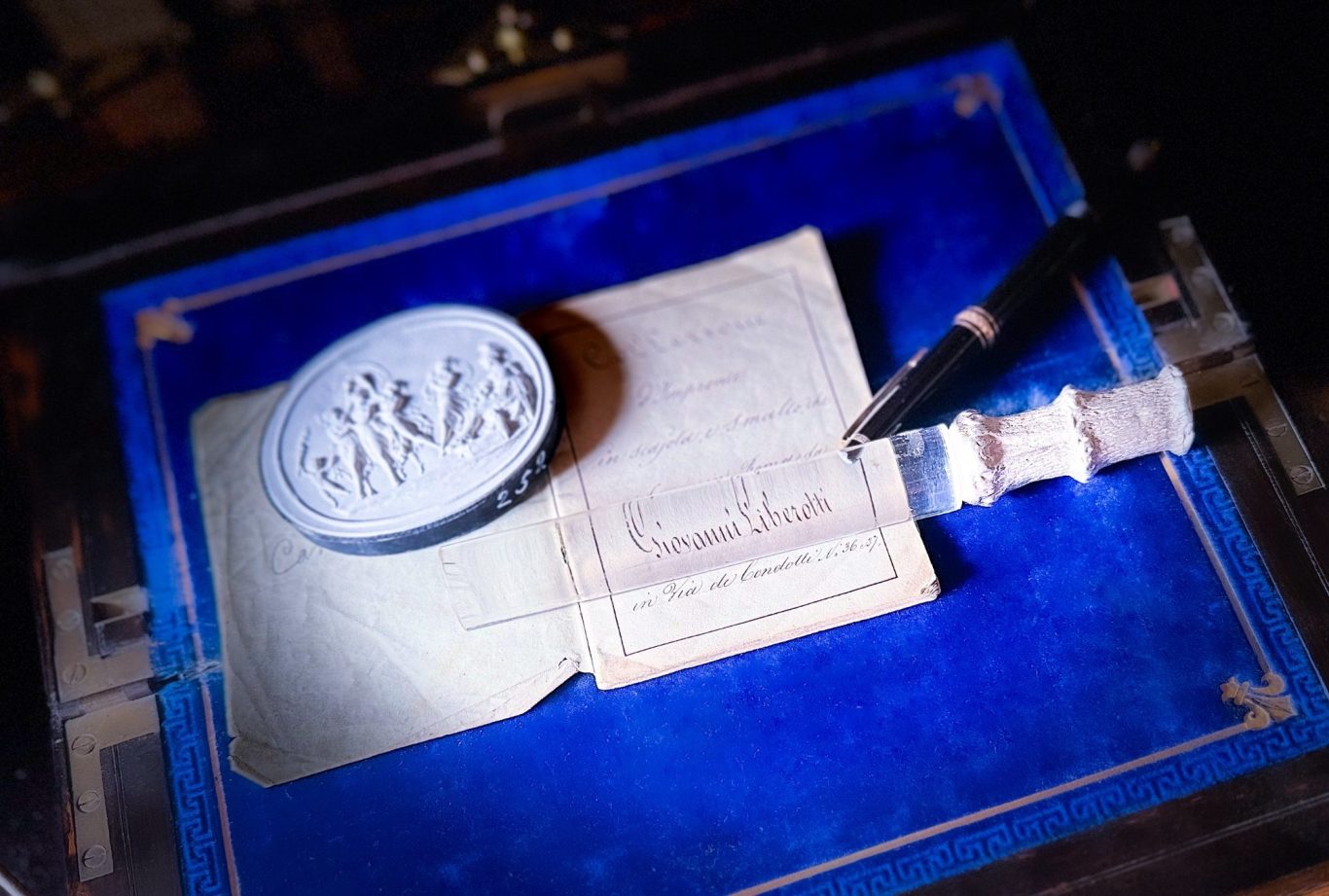
By the 18th and early 19th centuries, the fascination with these miniature works of art had evolved into a flourishing tradition of plaster intaglios and reliefs. Created by renowned modelers and engravers such as Giovanni Liberotti, the Paoletti family, Benedetto Pistrucci, and other skilled craftsmen, these intricately detailed casts drew upon the masterpieces of Classical Antiquity together with celebrated works by Raphael, Michelangelo, Antonio Canova, Bertel Thorvaldsen, and other great masters. Through their artistry, Europe's cultural heritage was preserved in miniature, allowing travellers to carry home enduring reminders of the masterpieces they had admired on their journey.
During this period, wealthy young Britons embarked upon the Grand Tour — an extended journey through the cultural centres of Europe, particularly Italy. Considered the final stage of a gentleman's education, the Grand Tour offered first-hand encounters with the art, architecture, and antiquities of the classical world. Long before the invention of photography, travellers had no means of recording the streets they wandered, the monuments they visited, or the masterpieces and sculptures they encountered. Instead, they sought tangible reminders of their experiences, collecting objects that would preserve the memories of their journey long after they returned home.
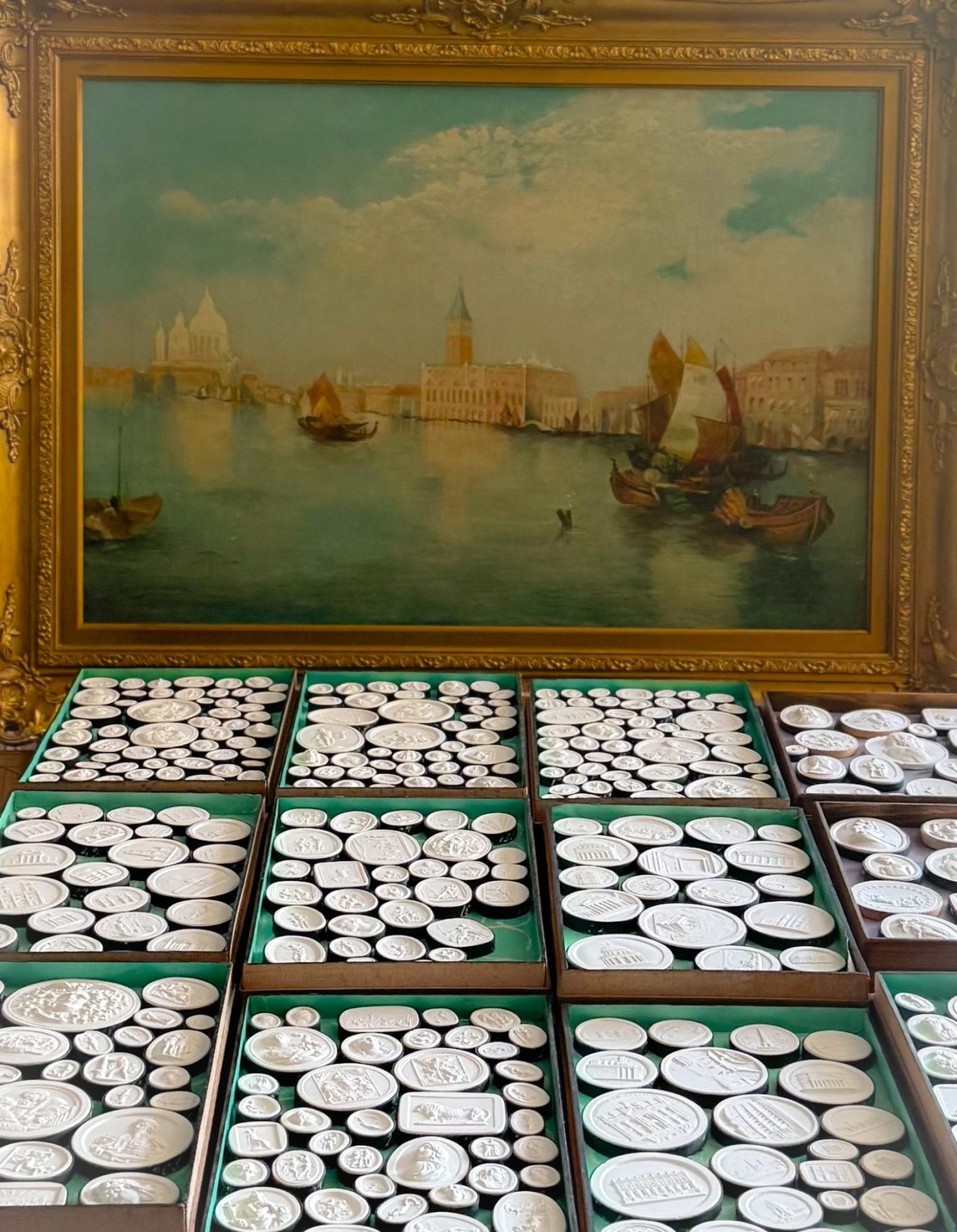
Among the most prized of these keepsakes were plaster intaglios and reliefs. Carefully cast from celebrated sculptures, paintings, antique gems, and architectural landmarks, they enabled collectors to assemble their own portable museums of European art and culture. Displayed in country houses, libraries, and private collections throughout Britain, these miniature masterpieces became lasting reminders of an age when travel was as much a pursuit of knowledge as it was adventure.
Today, we continue this remarkable tradition. The originals from which we cast form part of an extensive private collection assembled over more than two decades, representing one of the most significant collections of Grand Tour intaglios and reliefs in private hands. Cast directly from these antique originals, each reproduction faithfully preserves the intricate detail, character, and artistry of the pieces from which it is taken. Many of the originals once completed the long and often arduous journey back to Britain in the hands of Grand Tour travellers, collectors, and scholars.
These are not merely decorative reproductions; they are faithful continuations of a centuries-old collecting tradition. More than decorative objects, Grand Tour intaglios are fragments of cultural history — tangible connections to the art, mythology, architecture, and artistic achievements that shaped the Western world. Whether displayed individually or as part of a curated collection, they bring timeless elegance, intellectual curiosity, and a sense of classical heritage into contemporary interiors.
History in Your Hands. A Grand Tour of Europe — No Passport Required.